The Person You Keep Letting Down
The Person You Keep Letting Down
You said you would deal with it this week. The hiring problem, the process that keeps breaking, the conversation you have been avoiding with the team member who is coasting. You said it last week too. And the week before.
Nothing happened. Again.
This is the quiet reality of running a business on your own. Not alone in the legal sense. You might have twenty people on the payroll. Alone in the sense that matters, which is that every meaningful decision, every standard, every promise about what will change, lives and dies with you. And you have become very good at letting yourself off the hook.
Here is something worth sitting with. When you make a commitment only to yourself, you will break it the moment it gets hard. You negotiate. You reschedule. You tell yourself tomorrow is better. But when you make that same commitment to someone else, someone you respect, someone who is counting on you, breaking it becomes almost impossible. The work gets done. Not because the work changed. Because the accountability did.
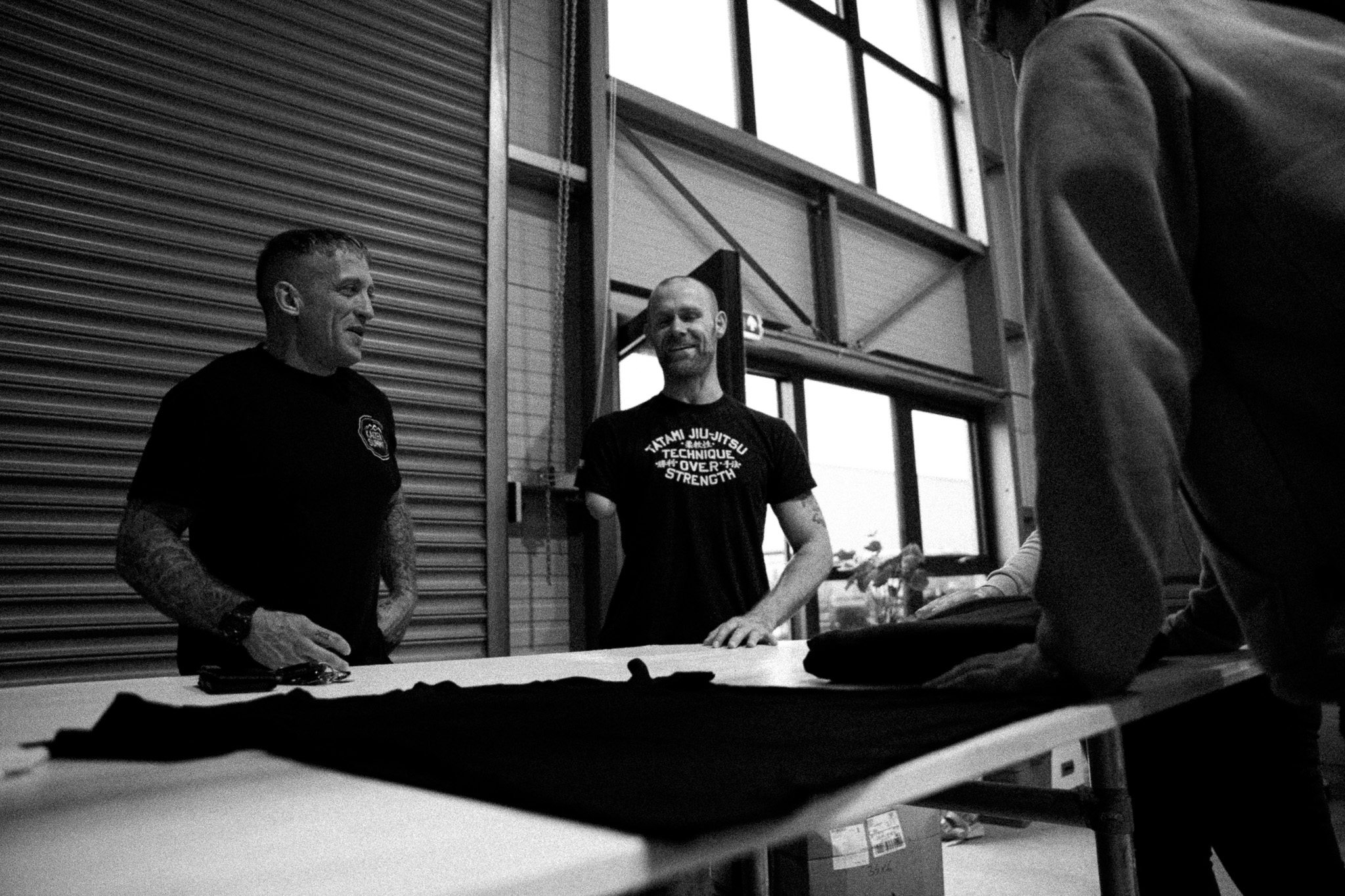
I was reminded of this listening to three people who started a business together. None of them would have done it alone. They said so plainly. What made it possible was that they were doing it for each other. One of them put it better than any management book I have read. He said if it was just him, he would find it easy to let himself down. But if he knew he had dropped something and it let the other two down, that was a weight he could not carry. So the work got done.
That is the whole thing. The reason your business is stuck is not a lack of ability. It is a lack of external accountability. You are the only person you answer to, and you are far too lenient a boss.
Most founders try to fix this with more discipline. More willpower. A new productivity system. It rarely works, because the problem was never your character. It was the structure. You built a business where every thread runs back to one person who is allowed to negotiate with themselves in private. Change the structure and the behaviour changes with it.
This starts with how you think about your team. Not as people who execute your instructions, but as people who carry genuine ownership of outcomes. There is a difference between giving someone a task and giving someone a responsibility. A task is something they do for you. A responsibility is something they own, are accountable for, and would feel the weight of dropping. Decentralised Command is built on exactly this. You push real ownership down to the people closest to the work, and you make them accountable not just to you, but to the standard and to each other.
The same three founders described how they divide work. No pride about who picks up the admin. If something needs doing, whoever has capacity takes it, no debate about whether it is beneath them. That only works because each of them is genuinely invested in the mission, not just their corner of it. When people own the outcome rather than the job description, the friction disappears and the work moves.
There is a harder lesson buried in their story too. They identified, early and honestly, the one thing most likely to sink them. For them it was the marketing side. Rather than pretend they could muddle through it, they named it as their biggest weakness and put real money behind fixing it. Most founders do the opposite. They cling hardest to the things they are worst at, because letting go feels like losing control. So the weakness stays, quietly capping the whole business.
Be honest about where you are the bottleneck. Not where you are busy. Where you are the single point of failure. Then resource it properly, whether that means hiring, training someone up, or paying an expert to do what you cannot. Extreme Ownership is not about doing everything yourself. It is about owning the outcome enough to put the right person on it, even when that person is not you.
One more thing they understood that most people miss. They leaned on discipline over motivation. Motivation arrives when things are exciting and vanishes the moment they are not. Discipline does not care how you feel. It shows up on the grey Tuesday when nothing is working and the novelty has worn off. A business that depends on the founder staying motivated is fragile. A business built on disciplined habits, shared standards, and mutual accountability keeps moving regardless of mood.
So stop relying on your own promises to yourself. They are the weakest currency in your business.
Build the structure that makes the work happen without your willpower in the loop. Give your people real ownership. Make the standards external. Fix the weakness you have been protecting.
Then watch how much gets done when you are no longer the only one holding the line.
